A black Labrador detection dog works a quiet airport arrivals hall at night beside its handler

Biodefense for an open society

If a dangerous pathogen gets out, time is what runs short. Our dogs give ports, schools and hospitals a fast first answer, so they can stay open while countermeasures catch up.
What we do
We work on the missing layer of biodefense: slowing the spread without shutting everything down.
how it works

Know which room is safe

See the technology
Alarms can tell you a pathogen is in the air of a city. Our dogs work the room itself: we read what each nose picks up in under a second. Anyone flagged is offered a proper test, and everyone else carries on.
A beagle detection dog walks a passport-control queue at night as a traveler smiles down at it
what the handler sees
"Gate B Β· Possible match to fleet signature 0417. Offer tests to Lane 2. Lanes 1 and 3 stay open."
Juno
Detection dog, Terminal 2
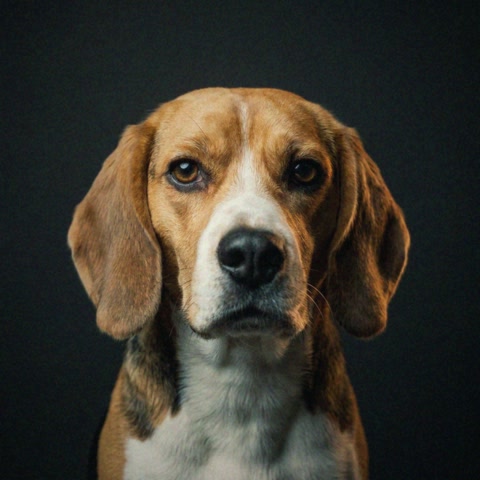
Portrait of a tricolor beagle
where it helps

The places that can't close.

Ports of entry
Dogs already work airports, land crossings and seaports. A software update gives them a new signature to find.
Collage of a springer spaniel, a handler's leash and a container port at night
Schools, offices and venues
A fast answer about who should get a test, so the doors can stay open.
A yellow Labrador and its handler walk past a line of concertgoers at dusk
Care homes and hospitals
Protect the people most at risk without closing their doors.
A chocolate Labrador walks into a hospital at night as a nurse holds the door
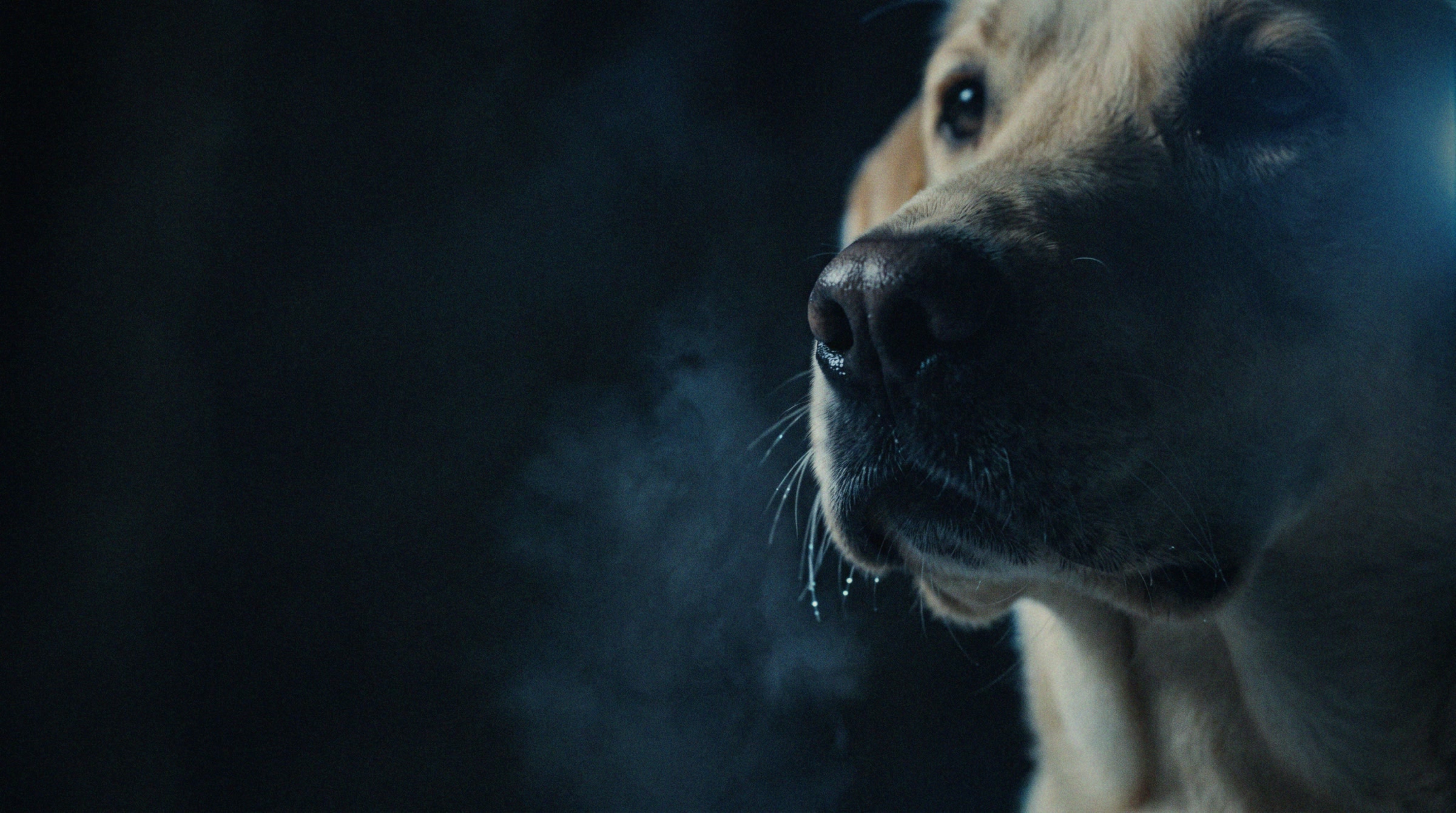
Close-up of a Labrador's nose in the dark, its breath visible in the cold air

Defense without offense

the science of the nose

What trained noses have shown.

Published research by independent groups, not General Sense. Trained noses have already worked schools, concerts and clinics. The bottleneck is scale.
No symptoms
Dogs sniffed sweat from 192 symptom-free adults at Paris COVID test sites: 100% sensitivity (31 of 31), 94% specificity.
Grandjean et al., PLOS ONE, 2022 β†—
At the concert door
Dogs checked sweat pads from 2,802 concertgoers: 99.93% specificity, and 81.6% sensitivity on 38 known COVID-positive samples mixed in.
ten Hagen et al., BMJ Global Health, 2022 β†—
At school
Two dogs sniffed ankles at 27 California schools, 3,897 checks in all: 83% sensitivity, 90% specificity against rapid COVID tests.
Glaser et al., JAMA Pediatrics, 2023 β†—
Ahead of the lab
As a group, dogs flagged all 30 trees infected with citrus greening within a month; the lab test caught about 3% by month two.
Gottwald et al., PNAS, 2020 β†—
A second check
Trained rats rechecked sputum from 34,565 patients at 69 Tanzanian clinics, adding 2,176 confirmed TB cases: 48% more than clinics found.
Agizew et al., PLOS ONE, 2025 β†—
Early days
A review of 27 dog studies rated only four at low risk of bias; those found 81–97% sensitivity, 91–100% specificity.
Meller et al., Annals of Epidemiology, 2023 β†—
why dogs

Ready before the day we need it.

Already installed
People are used to detection dogs. No immunity passports, biometric scanners or new testing chains.
Collage of a beagle in an airport terminal, a child patting a black Labrador, and a quiet gate at night
A reserve that pays its way
Most days our dogs find explosives, narcotics and crop disease. In an emergency they redeploy, like a National Guard.
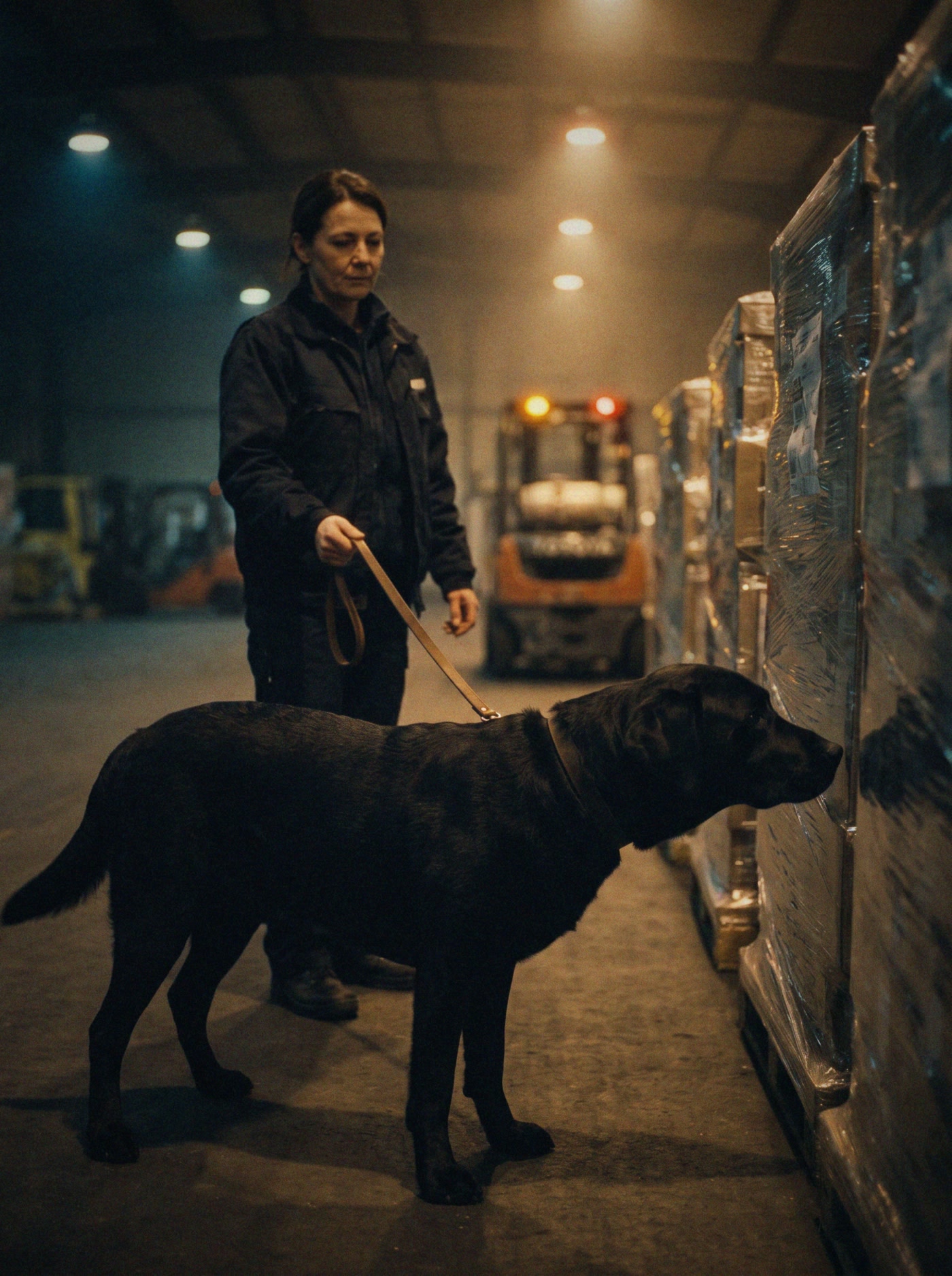
A black Labrador sniffs cargo pallets in a warehouse at night while its handler watches
One update, every dog
When a new threat is characterized, its signature is built to reach every dog in the fleet at once.
A black Labrador, a springer spaniel and a beagle sit side by side in a training hall
our promise

We detect. People decide.

Explore our research
A readout is a reason to test, never a verdict. We build detection only, and every response stays with the people accountable for it.
A handler kneels beside a yellow Labrador at an airport window before dawn
why a dog
"A nose detects things. It doesn't make anything."
Pages
Get full access on request after purchase
Buy

Bring us your hardest detection problem